Buy dnse.eu ?
We are moving the project
dnse.eu .
Are you interested in purchasing the domain
dnse.eu ?
domain@kv-gmbh.de · 0541-91531010
Buy dnse.eu ?
Which data transmission cable?
The choice of data transmission cable depends on the specific requirements of the application. For short distances and high-speed data transmission, a twisted pair cable such as Ethernet cable may be suitable. For longer distances and higher data rates, fiber optic cables are often preferred due to their ability to transmit data over longer distances without signal degradation. Coaxial cables are also commonly used for applications such as cable television and internet connections. Ultimately, the choice of data transmission cable should be based on factors such as distance, data rate, and environmental conditions. **
How does data transmission work?
Data transmission involves sending digital information from one device to another through a communication channel. The process typically involves encoding the data into electrical signals or light pulses, transmitting them through a medium such as cables or air, and then decoding the signals back into usable data at the receiving end. This can be done using various methods such as modulation, demodulation, and error correction to ensure the accurate and efficient transfer of data. The speed and reliability of data transmission depend on factors like the type of transmission medium, the distance between sender and receiver, and the quality of the equipment used. **

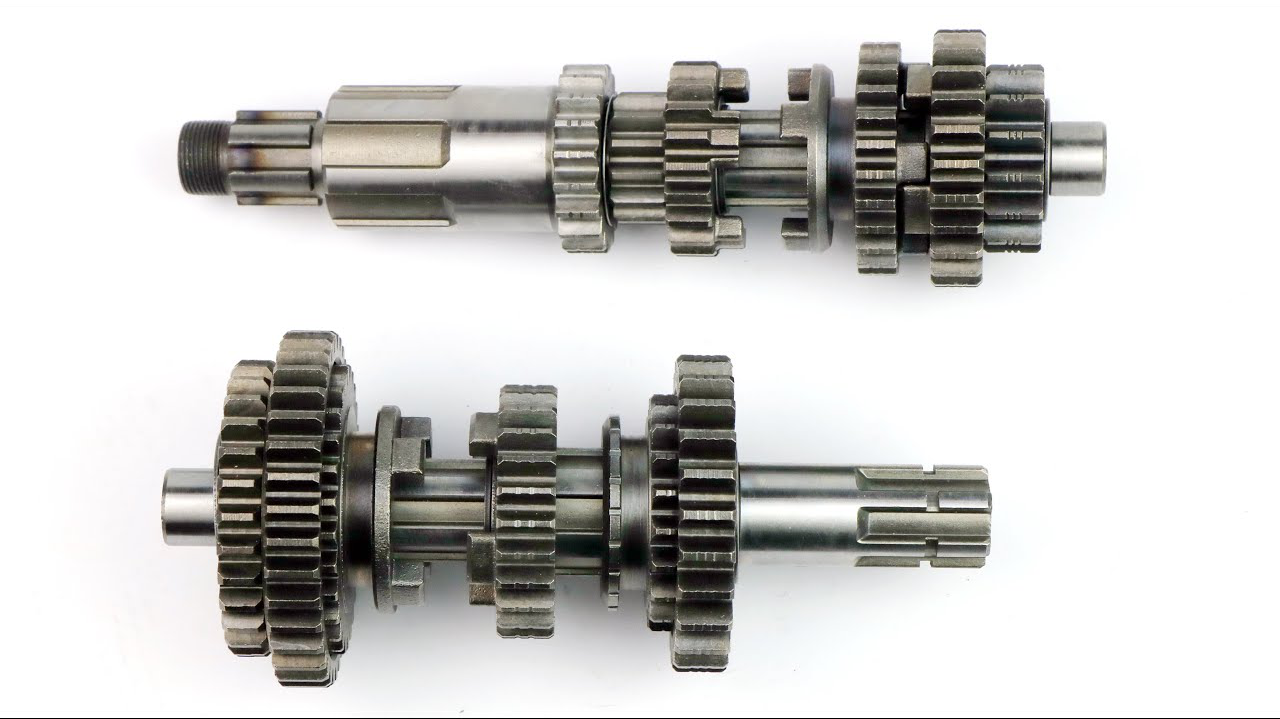
Similar search terms for Transmission
Top-Angebote
Products related to Transmission:
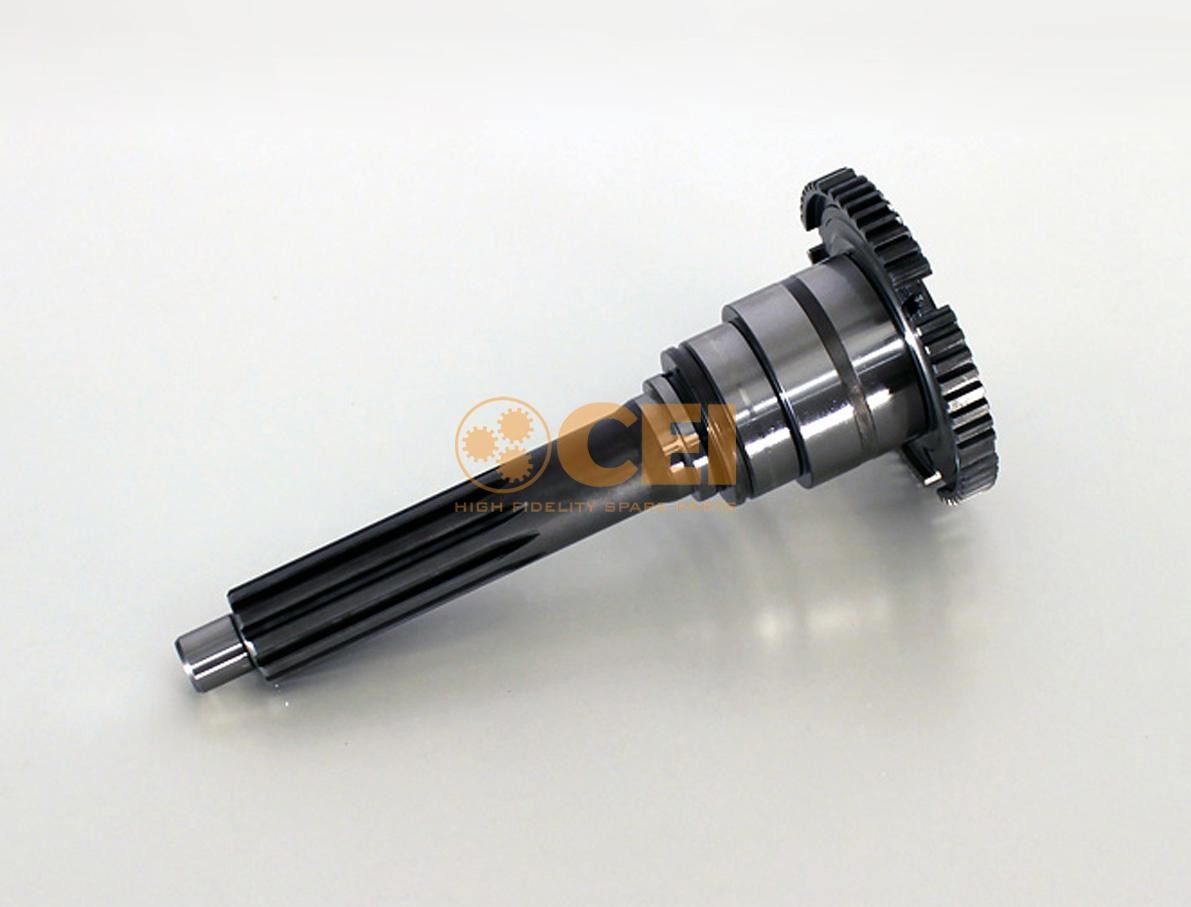


-
Can charges apply for data transmission?
Yes, charges can apply for data transmission depending on the service provider and the type of data being transmitted. Some service providers may have data caps or charge for exceeding data limits, while others may offer unlimited data plans for a flat fee. Additionally, charges may also apply for international data roaming or premium data services. It is important to review your service provider's terms and conditions to understand any potential charges for data transmission. **
-
What are the fees for data transmission?
The fees for data transmission can vary depending on the service provider and the amount of data being transmitted. Some providers may charge a flat monthly fee for a certain amount of data, while others may charge based on the amount of data used. Additionally, there may be fees for exceeding data limits or for faster transmission speeds. It's important to carefully review the terms and conditions of your data plan to understand the specific fees associated with data transmission. **
-
What is your question about data transmission?
My question about data transmission is how to ensure the security and integrity of data being transmitted over networks. I am interested in understanding the different encryption and authentication methods that can be used to protect data during transmission, as well as the potential vulnerabilities and risks associated with data transmission. Additionally, I am curious about the impact of factors such as network congestion and latency on the efficiency and reliability of data transmission. **
-
What are end-to-end software and cloud technology solutions?
End-to-end software and cloud technology solutions refer to comprehensive and integrated systems that cover the entire process or lifecycle of a particular software or technology need. This means that these solutions encompass everything from initial design and development to deployment, maintenance, and ongoing support. End-to-end solutions are designed to streamline and simplify the entire process, providing a seamless and cohesive experience for users. This can include cloud-based services that offer a complete package of tools and resources to meet a specific business or technological need. **


How does data transmission work in computer science?
Data transmission in computer science involves sending and receiving data between two devices over a network. This process typically involves breaking down the data into smaller packets, adding headers with information like the source and destination addresses, and then transmitting these packets across the network. The receiving device then reassembles the packets in the correct order to reconstruct the original data. Various protocols, such as TCP/IP, govern how data is transmitted to ensure reliable and efficient communication between devices. **
What are the three ways of data transmission?
The three ways of data transmission are wired transmission, wireless transmission, and optical transmission. Wired transmission involves sending data through physical cables such as copper wires or fiber optics. Wireless transmission uses electromagnetic waves to send data through the air, such as through Wi-Fi or Bluetooth. Optical transmission involves sending data through light signals over fiber optic cables. Each method has its own advantages and limitations, and the choice of transmission method depends on factors such as distance, speed, and security requirements. **
Top-Angebote
Products related to Transmission:
-
Which data transmission cable?
The choice of data transmission cable depends on the specific requirements of the application. For short distances and high-speed data transmission, a twisted pair cable such as Ethernet cable may be suitable. For longer distances and higher data rates, fiber optic cables are often preferred due to their ability to transmit data over longer distances without signal degradation. Coaxial cables are also commonly used for applications such as cable television and internet connections. Ultimately, the choice of data transmission cable should be based on factors such as distance, data rate, and environmental conditions. **
-
How does data transmission work?
Data transmission involves sending digital information from one device to another through a communication channel. The process typically involves encoding the data into electrical signals or light pulses, transmitting them through a medium such as cables or air, and then decoding the signals back into usable data at the receiving end. This can be done using various methods such as modulation, demodulation, and error correction to ensure the accurate and efficient transfer of data. The speed and reliability of data transmission depend on factors like the type of transmission medium, the distance between sender and receiver, and the quality of the equipment used. **
-
Can charges apply for data transmission?
Yes, charges can apply for data transmission depending on the service provider and the type of data being transmitted. Some service providers may have data caps or charge for exceeding data limits, while others may offer unlimited data plans for a flat fee. Additionally, charges may also apply for international data roaming or premium data services. It is important to review your service provider's terms and conditions to understand any potential charges for data transmission. **
-
What are the fees for data transmission?
The fees for data transmission can vary depending on the service provider and the amount of data being transmitted. Some providers may charge a flat monthly fee for a certain amount of data, while others may charge based on the amount of data used. Additionally, there may be fees for exceeding data limits or for faster transmission speeds. It's important to carefully review the terms and conditions of your data plan to understand the specific fees associated with data transmission. **
Similar search terms for Transmission
-
What is your question about data transmission?
My question about data transmission is how to ensure the security and integrity of data being transmitted over networks. I am interested in understanding the different encryption and authentication methods that can be used to protect data during transmission, as well as the potential vulnerabilities and risks associated with data transmission. Additionally, I am curious about the impact of factors such as network congestion and latency on the efficiency and reliability of data transmission. **
-
What are end-to-end software and cloud technology solutions?
End-to-end software and cloud technology solutions refer to comprehensive and integrated systems that cover the entire process or lifecycle of a particular software or technology need. This means that these solutions encompass everything from initial design and development to deployment, maintenance, and ongoing support. End-to-end solutions are designed to streamline and simplify the entire process, providing a seamless and cohesive experience for users. This can include cloud-based services that offer a complete package of tools and resources to meet a specific business or technological need. **
-
How does data transmission work in computer science?
Data transmission in computer science involves sending and receiving data between two devices over a network. This process typically involves breaking down the data into smaller packets, adding headers with information like the source and destination addresses, and then transmitting these packets across the network. The receiving device then reassembles the packets in the correct order to reconstruct the original data. Various protocols, such as TCP/IP, govern how data is transmitted to ensure reliable and efficient communication between devices. **
-
What are the three ways of data transmission?
The three ways of data transmission are wired transmission, wireless transmission, and optical transmission. Wired transmission involves sending data through physical cables such as copper wires or fiber optics. Wireless transmission uses electromagnetic waves to send data through the air, such as through Wi-Fi or Bluetooth. Optical transmission involves sending data through light signals over fiber optic cables. Each method has its own advantages and limitations, and the choice of transmission method depends on factors such as distance, speed, and security requirements. **
* All prices are inclusive of VAT and, if applicable, plus shipping costs. The offer information is based on the details provided by the respective shop and is updated through automated processes. Real-time updates do not occur, so deviations can occur in individual cases. ** Note: Parts of this content were created by AI.